
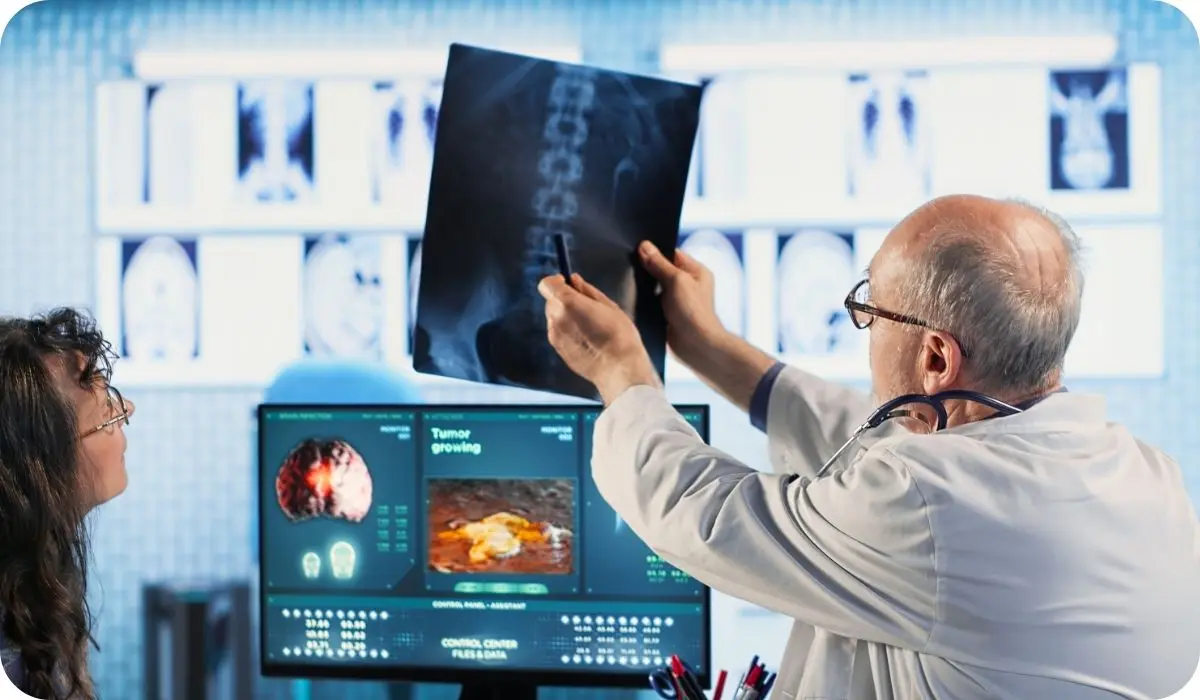
Artificial intelligence is not just a buzzword; it’s a fundamental force reshaping clinical practices. One of the most significant transformations is happening in medical imaging, where AI models are being trained to identify patterns that consistently evade the human eye. The AI in medical diagnostics market is on a steep upward trajectory, projected to surge from $1.1 billion in 2023 to an impressive $3.7 billion by 2028. This growth is overwhelmingly driven by the integration of AI-powered imaging technologies.
Medical imaging, including X-rays, CT scans, and MRIs, is the bedrock of modern diagnostics, essential for everything from cancer detection to neurological assessments. However, soaring caseloads and persistent staffing shortages expose the vulnerabilities of traditional workflows. AI addresses these challenges head-on, delivering faster image interpretation, minimizing diagnostic variability, and facilitating earlier, more effective interventions. As imaging data volumes explode, adopting AI is no longer optional; it’s a clinical and strategic imperative.
Discover how AI is revolutionizing medical imaging, moving from theory to tangible clinical impact. This article unpacks the key benefits and powerful applications that are redefining diagnostics from the ground up.
Key Takeaways
- AI enhances medical imaging by increasing diagnostic accuracy and reducing interpretation variability.
- Automated image analysis enables faster diagnoses, treatment decisions, and radiology workflows.
- AI supports earlier detection and ongoing monitoring of cancers, cardiovascular diseases, neurological disorders, and other conditions.
- Healthcare organizations are increasingly adopting AI to manage growing imaging volumes and improve patient outcomes.
- The future of medical imaging lies in AI-assisted diagnostics that augment, rather than replace, clinical expertise.
What is AI in Medical Imaging?
What Is Medical Imaging?
Medical imaging utilizes non-invasive technologies that enable healthcare professionals to visualize the internal structures of the human body. Common imaging modalities include X-rays, computed tomography (CT), magnetic resonance imaging (MRI), and ultrasound. These tools are used to detect injuries, monitor disease progression, and guide treatment plans.
Artificial intelligence in medical imaging refers to the application of algorithms that learn from medical data to aid in the analysis of imaging results. AI models can detect patterns, measure anomalies, and flag abnormalities that may not be visible to the human eye. Deep learning, a subset of AI, excels at image recognition, making it particularly useful in radiology and related fields.
AI-based imaging systems aid radiologists in identifying complex patterns within large datasets. They quantify radiographic traits and can detect specific image features at various stages of disease progression. For example, tumor boundaries or minute tissue variations that might go unnoticed during a manual review can be identified with high confidence using AI. In oncology, cardiology, and neurology, AI-powered medical imaging continues to set new standards for clinical precision.
Benefits of AI in Medical Imaging
AI’s impact on medical imaging stretches across multiple domains, including accuracy, speed, monitoring, and data management. Each of these advantages contributes to better outcomes for both patients and providers.
Enhanced Diagnostic Accuracy
Enhanced Diagnostic Accuracy
Artificial intelligence plays a critical role in increasing diagnostic precision. Algorithms trained on thousands of imaging datasets can detect even the most minor anomalies. Subtle shifts in tissue density, shape, or contrast that may be dismissed as noise by a human observer are flagged by AI tools for closer inspection.
Advanced AI models improve image interpretation consistency. For example, an AI algorithm analyzing mammograms can ensure the same level of scrutiny across all images, reducing variability among radiologists. The result is a more dependable diagnostic process that reduces the chance of human error.
AI also supports precision medicine by integrating imaging data with patient history, genetic profiles, and lab results. This combination yields more profound insights into a patient’s condition, enabling the development of tailored treatment strategies. Personalized medicine is no longer limited to theory; AI brings it to the point of care.
Faster Detection and Treatment
Faster Detection & Treatment
Traditional image analysis requires significant manual effort and time, particularly during periods of high patient volume. AI accelerates this process by automatically identifying potential areas of concern within seconds. Quicker interpretation leads to faster clinical decisions and can significantly reduce patient wait times.
Workflow automation is another advantage. Many AI tools perform repetitive tasks such as sorting, labeling, or highlighting abnormal findings in imaging data. By handling these routine tasks, AI enables clinicians to focus on complex diagnostic challenges rather than administrative duties.
When imaging is part of emergency care, such as stroke detection or trauma assessment, speed is crucial. AI’s ability to process scans rapidly and suggest likely diagnoses gives emergency physicians a head start on treatment decisions. Every minute saved can make a difference in outcomes.
Improved Patient Monitoring
Improved Patient Monitoring
Tracking disease progression requires comparing multiple imaging studies over time. In traditional workflows, changes between scans might be overlooked, especially if they are subtle or develop gradually. AI models excel at comparing high-resolution scans and identifying even the most minor changes in tissue over time.
This capability is especially critical in cancer treatment. For instance, AI tools can evaluate the percentage of active tumor cells remaining after chemotherapy. Standard imaging may show the tumor mass unchanged, but AI can differentiate between live and necrotic tissue, providing oncologists with more accurate feedback on treatment response.
In long-term care, AI-powered monitoring offers early warnings for relapse or disease recurrence. Continuous tracking enables clinicians to intervene before conditions worsen, leading to more proactive and preventive treatment strategies.
Optimized Data Processing and Insights
Optimized Data Processing and Insights
Medical imaging produces massive amounts of data. Managing and interpreting this data manually is time-consuming and inefficient. AI helps process, organize, and retrieve data quickly, streamlining the entire radiology ecosystem.
AI algorithms efficiently handle image storage, retrieval, and annotation. Clinicians can access relevant imaging data more quickly, cross-reference cases, and derive insights without being hindered by administrative burdens. This translates to more time spent on clinical work and less on data management.
Data-driven decision-making becomes more attainable. AI provides real-time visualizations and diagnostic suggestions that integrate with patient records. The outcome is a more comprehensive view of the patient’s health status and improved support for clinical decisions.
Key Applications of AI-Powered Medical Imaging in Healthcare
Artificial intelligence is already transforming clinical practice across several specialties. Below are several of the most impactful use cases where AI-powered imaging tools are setting new benchmarks.
Fractures and Musculoskeletal Injuries
Spinal fractures are a frequent early indicator of osteoporosis, yet many go undetected, particularly in older adults. Studies show that more than 50% of vertebral fractures remain invisible to radiologists during routine CT scan reviews. AI solutions trained on annotated imaging healthcare datasets can flag these fractures with high sensitivity, acting as a second layer of diagnostic support.
A research team at UCB Pharma developed a deep learning model trained on 969 vertebrae from scans produced by multiple imaging machines. The model achieved an AUC (Area Under the Curve) score of 0.93, a strong signal of diagnostic reliability in diverse clinical settings. Integrating this model into routine exams could help reduce missed diagnoses, especially in patients who do not present with overt symptoms.
AI is also transforming emergency care. In trauma settings, subtle bone displacements or hairline fractures are often difficult to detect under time pressure. AI can scan these images in seconds, increasing diagnostic accuracy and ensuring faster treatment decisions that reduce complications.
Cancer Screening
Cancer screening often relies on subtle imaging cues that vary significantly from case to case. In mammography, around 1 in 5 breast cancer cases are missed due to dense tissue or indistinct signs. AI systems trained on thousands of mammogram images can accurately detect microcalcifications, tissue distortions, and other indicators that are often challenging for radiologists to interpret consistently.
Google’s Lymph Node Assistant (LYNA) demonstrates how AI can reshape cancer screening. In clinical testing, LYNA achieved a 99% accuracy rate in identifying breast cancer metastasis in lymph nodes, dramatically reducing the likelihood of false negatives. This level of precision enables earlier intervention, which can significantly improve patient survival rates.
European startups like Vara have also shown promise by detecting interval cancers, those missed in initial screenings but diagnosed later. In one study, AI identified 27.5% of false negatives and 12.2% of cancers that had only minimal visual signs, reinforcing AI’s role as a safety net in radiology departments with limited resources.
Cardiovascular Conditions
Heart disease diagnosis often begins with imaging such as chest X-rays or echocardiograms. Detecting structural issues, like left atrial enlargement or valve calcification, requires trained eyes and time-consuming measurements. AI enhances this process by automating analysis and identifying anomalies with precision.
Philips’ HeartModel tool uses artificial intelligence to generate 3D representations of the heart based on echocardiographic data. This tool not only visualizes heart chambers in real time but also tracks changes in left ventricular and atrial volume throughout the cardiac cycle. Such continuous monitoring helps clinicians understand disease progression more clearly.
In cardiac units with high patient volume, repetitive measurement tasks can slow down diagnosis. AI offloads these tasks, improving workflow and ensuring that high-risk patients receive timely attention. The technology also reduces intra-observer variability, giving cardiology teams more consistent data.
Brain Tumors
Classifying brain tumors typically involves a combination of MRI scans, biopsy results, and histological grading. Traditional workflows can take 20 – 40 minutes per case and rely heavily on human interpretation. AI models trained on MRI images can classify tumor types in under three minutes with higher accuracy than standard approaches.
One AI model used in a recent study reached 98.56% accuracy when classifying tumors into clinical subtypes. That level of performance not only accelerates diagnosis but also reduces the need for invasive procedures in some cases. With more precise categorization, treatment can be better matched to the tumor’s aggressiveness and characteristics.
Radiomics tools powered by AI are also assisting oncologists in grading tumors beyond just appearance. These tools extract textural and shape features from images and integrate them with genetic or clinical data. The result is a more complete view of the tumor’s biology, which supports more tailored therapy plans.
Neurological Abnormalities
Neurological conditions such as Alzheimer’s disease, Parkinson’s disease, or ALS often start with subtle changes in the brain. MRI scans provide high-resolution images, but differentiating between normal aging and pathological change is complex. AI algorithms excel at pattern recognition, making it easier to detect early disease markers.
Researchers at Mount Sinai Health System have developed machine learning models that scan brain images for early signs of Alzheimer’s disease. These models analyze the hippocampus and other memory-related regions, quantifying shrinkage or shape changes invisible to the human eye. The ability to detect deterioration before cognitive symptoms arise is critical for early treatment.
AI also supports the diagnosis of conditions like multiple sclerosis by identifying lesions and measuring brain atrophy across time. These quantifiable metrics help clinicians monitor disease progression, assess treatment effectiveness, and adjust plans proactively. Consistent measurements over time also reduce interpretation bias.
Assisting with Radiology Reporting & Data-Related Tasks
Radiology reports are essential for communicating findings, but the process is time-consuming and prone to inconsistency. Differences in report formatting, terminology, and detail can complicate downstream decision-making. Natural language processing (NLP) and generative AI tools are now being used to streamline and standardize reporting.
AI tools transcribe spoken dictation into structured reports, categorize findings by severity, and auto-fill repetitive report sections. These features reduce cognitive workload, enabling radiologists to work more efficiently and facilitating faster report turnaround. Templates generated by AI can also ensure consistent language across radiologists, improving collaboration between teams.
At Stanford University, researchers built an AI model that surpassed human performance in identifying pneumonia on chest X-rays. Meanwhile, Massachusetts General Hospital’s AI-supported mammography system reduced false positives by 30%, resulting in fewer unnecessary follow-ups. Both examples highlight how AI can enhance both clinical accuracy and patient experience.
Detecting Pneumonia
Pneumonia detection using clinical imaging presents unique challenges, particularly in differentiating it from conditions like bronchitis or pulmonary edema. AI models utilize convolutional neural networks (CNNs) to identify and segment areas of opacity or consolidation on chest X-rays or CT scans, which are hallmarks of pneumonia.
AI also plays a role in monitoring recovery. By comparing sequential scans, AI systems can assess lung improvement or relapse, alerting physicians to adjust treatment plans accordingly. In seasonal flu outbreaks or immunocompromised patients, this level of monitoring can make a significant difference in outcomes.
Artificial intelligence is revolutionizing medical imaging by enhancing accuracy, accelerating diagnosis, and revealing deeper clinical insights. Healthcare organizations looking to stay competitive need a development partner with proven expertise in AI, predictive analytics, and medical imaging platforms. KMS Technology specializes in building custom solutions that integrate seamlessly into clinical workflows, whether it’s automating image analysis, creating diagnostic decision support tools, or scaling AI infrastructure.
Better AI Imaging, Better Medical Care – Work with KMS Technology
Building AI-powered medical imaging solutions requires a healthcare technology consulting services, a scalable system architecture, and adherence to clinical guidelines. Choosing the right development partner ensures that your imaging tools are accurate, efficient, and built to meet the real-world demands of healthcare. KMS Technology delivers custom-built AI consulting services that help organizations unlock diagnostic precision and improve patient care at scale.
Advance Medical Imaging Innovation with KMS Technology:
- Custom Imaging AI Development: Create and deploy deep learning models tailored to radiology use cases, from tumor detection to anomaly segmentation.
- AI-Augmented Diagnostics: Enhance the speed and accuracy of diagnoses with tools that interpret imaging data in real-time, supporting earlier intervention and better outcomes.
- End-to-End System Integration: Seamlessly embed AI capabilities into PACS, EHR, and clinical workflows while ensuring compliance with healthcare regulations.
Looking to bring more innovative imaging solutions to life? Partner with KMS Technology today and accelerate your AI roadmap to deliver better care through better diagnostics.
FAQ
How does AI in medical imaging work?
AI in medical imaging uses machine learning to analyze CT, MRI, X-ray, and ultrasound studies and highlight patterns that may be difficult to see consistently at scale. It augments radiologists by suggesting findings, measuring structures, and triggering workflow steps, while clinicians retain final decision-making.
What are the risks for AI in medical imaging, and how to overcome them?
Key risks for AI in medical imaging include dataset bias, model drift as protocols evolve, and overreliance by users. Mitigation requires diverse training data, continuous performance monitoring, and strong governance measures.
What are the early use cases of AI in medical imaging?
AI in medical imaging can produce early ROIs in three areas: triage, quality control, and productivity. Triage pushes urgent scans to the front of the queue. Quality control flags motion or protocol errors before the patient leaves. Productivity tools auto-segment anatomy and prefill reports.
How does implementing AI in medical imaging typically cost?
Total cost for AI in medical imaging includes software licenses, integration and validation work, compute (cloud or on-prem), and change management. Most systems see payback when reduced repeats, faster reads, and higher throughput offset these costs.
TAGS

Written by
Field CTO
Kaushal is Field CTO at KMS Technology, where he applies deep healthcare and engineering expertise to guide digital transformation, scale technology teams, and turn strategic roadmaps into business value.